ODORREMOVERBOX / Buyer resources
Private Label vs OEM Odor Absorber: A Buyer’s Guide
Compare private label, OEM and ODM odor-control sourcing by specification, packaging and development scope. Send your brief for a factory feasibility review.
Compare private label, OEM and ODM odor-control sourcing by specification, packaging and development scope. Send your brief for a factory feasibility review.
Private label starts with a defined product
A private-label project commonly applies an agreed brand and packaging to an existing product. Confirm whether marking, instructions and pack artwork are included. It does not automatically include a redesigned housing, new core or exclusive territory.
OEM starts with your manufacturing specification
For OEM discussions, supply drawings or samples, materials, tolerances and acceptance criteria you are authorized to use. Agree which parts the supplier will manufacture and how samples will be approved. Minimum quantities, tooling and lead time depend on the confirmed scope.
ODM involves a development brief
Discuss the intended function, market and changes to the existing design. Identify design ownership, development work, testing and approval milestones. An initial concept requires a feasibility review before a price or delivery commitment is reliable.
Clarify odor absorber terminology
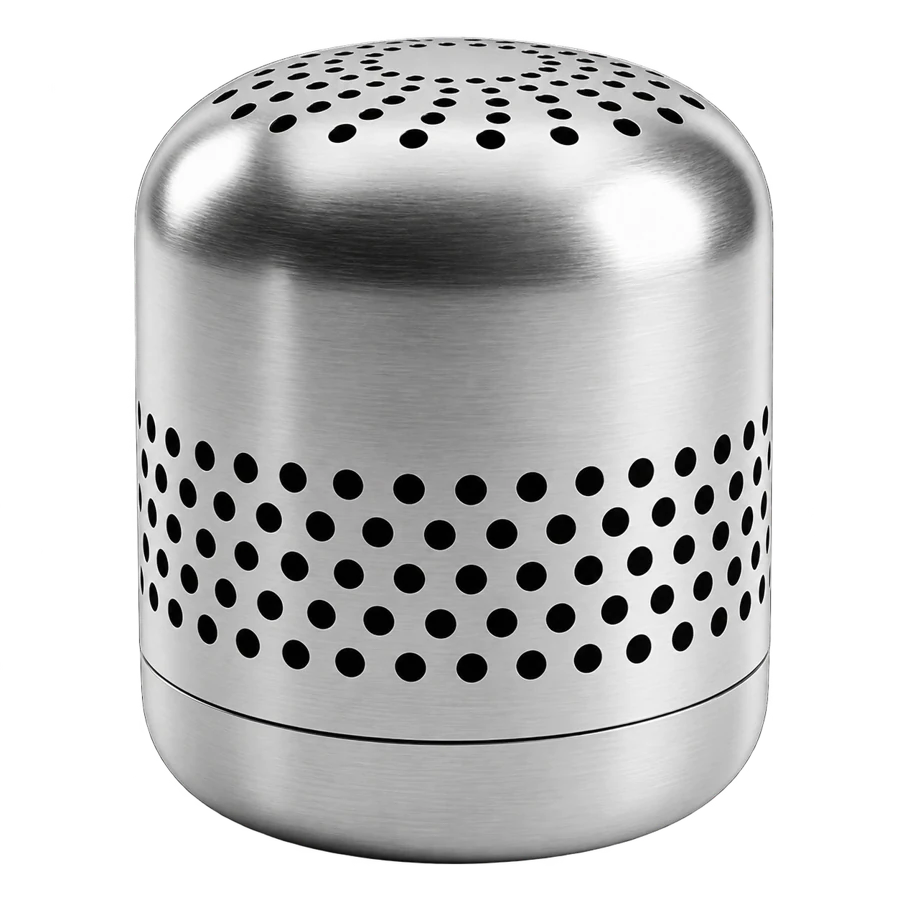
Odor absorber is used broadly in product searches, but adsorption and catalysis are different mechanisms. Our standard stainless steel device has a catalytic core. Define the actual mechanism and required evidence before using absorber or air purifier language on a branded pack.
Choose the smallest scope that meets the need
If only the brand presentation changes, start with a private-label brief. If the product specification changes, discuss OEM or ODM requirements. Send your market, quantity and packaging plan to receive a scoped quotation.
Request Bulk Pricing
Request Bulk Pricing
Build Your Wholesale Sourcing Brief
Tell us where you sell, what quantity you need and how you want it packed.